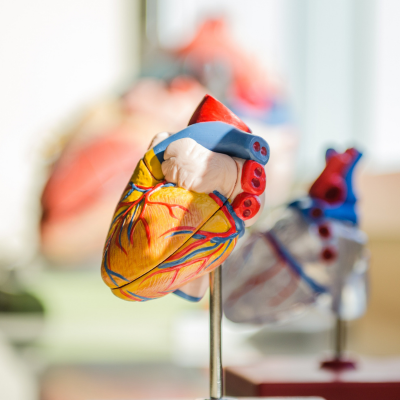
Coronary Angiography & Angioplasty

Advanced minimally invasive cardiac procedures for diagnosing and treating blocked coronary arteries with precision, safety, and faster recovery outcomes.

Advanced Coronary Care Treatment

Coronary Angiography and Angioplasty are highly advanced heart procedures used to diagnose and restore blood flow in blocked or narrowed coronary arteries. These minimally invasive treatments help reduce chest pain, prevent heart attacks, and improve overall heart function.

Using advanced imaging technology and catheter-based techniques, Dr. Sumeet Sethi provides accurate diagnosis and effective cardiac intervention with patient-focused care, reduced recovery time, and improved long-term outcomes.

✔ Minimally Invasive
✔ Faster Recovery
✔ Advanced Cardiac Care
✔ Improved Blood Flow
Book Appointment

Why Coronary Angiography & Angioplasty Is Important

Early diagnosis and timely cardiac intervention play a crucial role in preventing severe heart complications and improving long-term heart health outcomes.
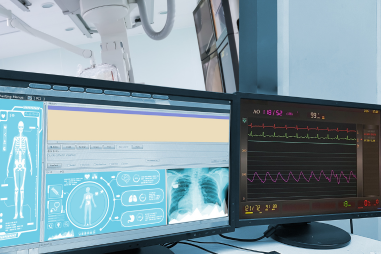
What Is Coronary Angiography?

  • Helps identify blocked or narrowed coronary arteries.
  • Uses advanced imaging with contrast dye for accurate diagnosis.
  • Guides doctors in planning the best heart treatment.
  • Provides detailed assessment of blood flow to the heart.

What Is Angioplasty?

  • Restores blood flow using balloon and stent placement.
  • Reduces chest pain and heart attack risk.
  • Improves oxygen supply to the heart muscles.
  • Performed through minimally invasive catheter techniques.

When Is It Recommended?

  • Persistent chest pain or discomfort.
  • Shortness of breath during physical activity.
  • Abnormal ECG or stress test results.
  • Emergency treatment during heart attacks.

Benefits Of Advanced Cardiac Intervention

Modern coronary angiography and angioplasty procedures offer safer, faster, and highly effective treatment for coronary artery disease with minimal discomfort and improved patient recovery.

✔ Minimally invasive procedure with small catheter entry.
✔ Faster recovery compared to open heart surgery.
✔ Reduced hospital stay and quicker return to routine life.
✔ Advanced imaging for accurate diagnosis and treatment.
✔ Improved blood circulation and heart performance.
✔ Lower risk of major cardiac complications.