
Structural Heart Disease Interventions

Advanced minimally invasive procedures for treating structural abnormalities of the heart valves, chambers, and congenital heart conditions with precision and expert cardiac care.

Advanced Structural Heart Care Solutions

Structural heart disease interventions are specialized catheter-based procedures used to treat defects and abnormalities within the heart structure, including valve disorders, septal defects, and congenital heart diseases.

These advanced interventions provide safer and highly effective treatment options with reduced recovery time, improved heart function, and enhanced quality of life for cardiac patients.

✔ Advanced Structural Heart Care
✔ Precision-Guided Procedures
✔ Minimally Invasive Techniques
✔ Improved Cardiac Function
Book Appointment

Conditions Treated With Structural Heart Interventions

Structural heart procedures are recommended for patients with heart valve disorders, congenital defects, and other complex structural cardiac abnormalities.
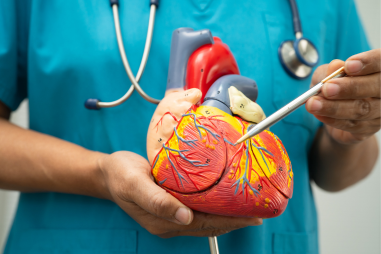
Heart Valve Disorders

  • Treatment for narrowed or leaking heart valves.
  • Advanced transcatheter valve repair procedures.
  • Improves blood circulation and heart performance.
  • Supports better quality of life and recovery.

Congenital Heart Defects

  • Closure of septal defects and abnormal openings.
  • Specialized interventions for congenital abnormalities.
  • Improves oxygen flow and cardiac efficiency.
  • Minimally invasive treatment approaches.

Advanced Structural Procedures

  • Catheter-based precision-guided interventions.
  • Reduced need for open heart surgery.
  • Faster recovery with advanced technology.
  • Comprehensive management of structural conditions.

Benefits Of Structural Heart Interventions

Advanced structural heart procedures help restore normal heart function, improve circulation, and reduce complications associated with complex heart disorders.

✔ Improved heart valve and chamber function.
✔ Minimally invasive advanced treatment options.
✔ Reduced hospital stay and quicker recovery.
✔ Better blood circulation and oxygen flow.
✔ Lower risk of severe cardiac complications.
✔ Enhanced long-term heart health outcomes.