Primary PCI For Heart Attack

Emergency cardiac intervention procedure designed to immediately restore blood flow during a heart attack and minimize damage to the heart muscles.

Advanced Emergency Heart Attack Treatment

Primary PCI (Percutaneous Coronary Intervention) is one of the most effective emergency treatments for acute heart attacks. The procedure rapidly opens blocked coronary arteries using balloon angioplasty and stent placement to restore normal blood circulation.

Early Primary PCI treatment significantly reduces heart damage, improves survival rates, and helps patients recover faster with advanced minimally invasive cardiac care techniques.

✔ 24×7 Emergency Support
✔ Advanced Cath Lab Technology
✔ Faster Recovery
✔ Expert Interventional Cardiac Care
Book Appointment

Why Primary PCI Is Important During Heart Attack

Immediate treatment during a heart attack is critical to restore blood flow quickly and prevent severe damage to heart muscles and other life-threatening complications.
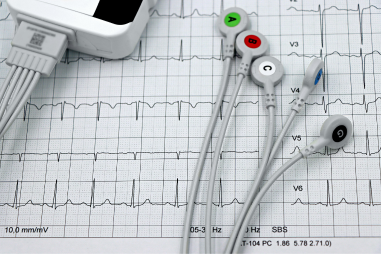
What Is Primary PCI?

  • Emergency procedure performed during acute heart attack.
  • Uses catheter-based techniques to open blocked arteries.
  • Improves blood flow to the heart immediately.
  • Often combined with stent placement for long-term support.

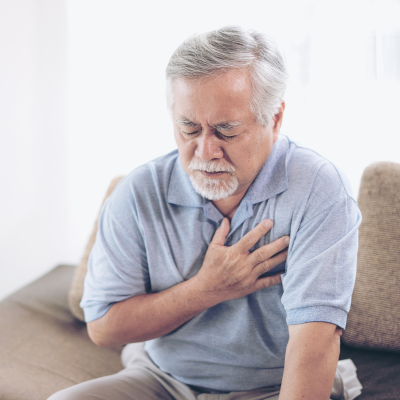
Symptoms Requiring Emergency PCI

  • Severe chest pain or pressure.
  • Shortness of breath and sweating.
  • Pain radiating to arm, jaw, or back.
  • Sudden dizziness or loss of consciousness.

Why Early Treatment Matters?

  • Reduces permanent heart muscle damage.
  • Improves patient survival rate.
  • Prevents major heart complications.
  • Supports quicker and safer recovery.

Benefits Of Primary PCI Treatment

Primary PCI is considered the gold standard treatment for heart attacks because it rapidly restores blood circulation and significantly improves patient outcomes.

✔ Rapid reopening of blocked coronary arteries.
✔ Reduces risk of severe heart damage.
✔ Minimally invasive emergency procedure.
✔ Faster recovery and shorter hospital stay.
✔ Improved survival during acute heart attack.
✔ Lower chances of future cardiac complications.